
Understanding Data Sovereignty: The Complete Guide for Malaysian Businesses
What is Data Sovereignty?
Data sovereignty Malaysia is a critical legal rule. It states that any digital data your business collects, processes, or stores is completely subject to the specific laws and regulations of the geographic country where that data physically sits.
Many corporate decision-makers think they fully own their business information just because they paid for it. However, if your company data is stored inside a server farm located in another country, that foreign nation’s legal system has ultimate authority over who can view, access, or seize your private records.
To run a safe business, you must achieve full data sovereignty. This means maintaining absolute awareness and control over where your digital assets live, ensuring they always align with your home country’s legal frameworks.
The Three Pillars of Digital Data Management
To manage your corporate cloud strategy successfully, you must understand the differences between these three common tech terms:
Data Residency (The Location): This describes the exact physical, geographic spot where your company’s data and backup drives are stored (e.g., a physical data center in Cyberjaya, Malaysia).
Data Sovereignty (The Law): This describes the legal rules that govern your information based on that physical location. If data lives inside Malaysia, it falls under Malaysian court jurisdiction.
Data Localization (The Restriction): This is a strict legal requirement enforced by certain governments or industries. It mandates that critical data generated within a country must stay inside that country’s borders and cannot be transferred overseas.
Why Data Sovereignty is Critical for Malaysian Corporations
Operating blindly in the public cloud can accidentally expose your business to severe financial, operational, and legal risks:
1. Compliance with the Malaysian PDPA
In Malaysia, commercial information is strictly regulated by the Personal Data Protection Act (PDPA). If your business collects customer names, phone numbers, or identification records, you are legally responsible for its safety. Understanding data sovereignty Malaysia is vital here, because storing this sensitive information on unverified foreign cloud platforms can violate local privacy laws. By keeping your data local, you avoid massive regulatory penalties, compliance fines, and protect your customer trust.
2. Protection Against Foreign Access (The US CLOUD Act)
If your business relies on standard international public cloud hyperscalers, your data might be exposed to foreign government surveillance. Under foreign laws like the U.S. CLOUD Act, external authorities have the legal power to compel a U.S.-based cloud provider to surrender data, even if that data is physically stored on servers located outside of America. For financial firms, universities, and government vendors, this cross-border loophole is an extreme data security risk.
3. Defense Against Geopolitical Shifts
Global trade and digital laws are changing rapidly. Today, international data transfers are frequently used as political tools, and foreign nations are constantly expanding trade sanctions and digital export controls. If global political tensions rise, relying entirely on international cloud paths can put your business at risk of sudden data blocks, unexpected service changes, or regional restrictions. Establishing an ironclad strategy for data sovereignty Malaysia shields your business from these external conflicts. Keeping your infrastructure local guarantees that your critical communications remain stable, safe, and completely under your control, no matter what happens globally.
How to Achieve Absolute Data Sovereignty for Your Business
You can regain complete ownership of your corporate records by implementing a targeted infrastructure strategy:
- Deploy Region-Specific Hosting: Partner exclusively with managed service providers that guarantee your live files and backup copies never leave domestic borders.
- Use Customer-Managed Encryption Keys: Encrypt your corporate communications at rest and in transit. Ensure that you retain the master digital keys independently of your hosting vendor, so no third party can decrypt your text without your explicit consent.
- Leverage Secure Private Cloud Ecosystems: Platforms like the Zimbra Collaboration Suite offer completely transparent, open standards. This allows local engineers to perform deep security audits on the underlying code to ensure zero hidden tracking scripts exist.
Secure Your Digital Estate with Cloudhappen
As an established enterprise cloud provider based in Kuala Lumpur, Cloudhappen Global Sdn Bhd specializes in managing strict data sovereignty Malaysia requirements to protect your digital assets. We build and maintain secure, “government-grade” private servers that keep your corporate email ecosystems operating safely within Malaysian borders.
Whether you need a dedicated private cloud instance for Zimbra or a securely monitored cross-border compliance framework for Microsoft 365, our local certified engineers ensure your company remains fully compliant with the PDPA while enjoying zero system downtime.
Frequently Asked Questions About Data Sovereignty (FAQ)
Is data residency the exact same thing as data sovereignty?
No. Data residency only refers to the geographic location where your files are stored. Data sovereignty is broader—it defines the actual legal system and national laws that have jurisdiction over that data.
Does Microsoft 365 support data sovereignty?
Yes. Global public cloud platforms like Microsoft 365 allow businesses to configure specific regional boundaries and local target data centers to help ring-fence and protect local data flows.
What industries in Malaysia have the strictest data localization rules?
Government departments, healthcare systems, defense contractors, and banking institutions have the highest regulatory requirements, meaning their data must remain localized domestically at all times.
Secure
It is important that in general Email Systems must be secure and private. For this reason Zimbra was build on the foundation of an open core system with add-on capabilities and features. Zimbra is the only major Email provider that offers a free, open source software (FOSS) version. In other words the code is available for code audits. Which is a requirement of many governments. This is increasingly important for countries mandating access to source code.
Private
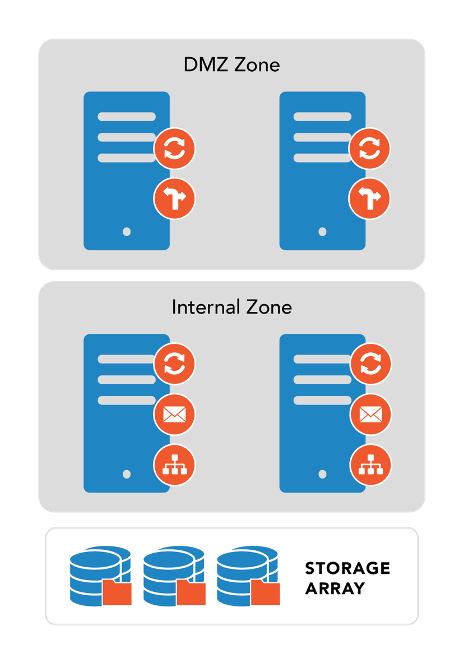
Organisation requires privacy has the option of using Zimbra’s multi server deployment. In other words each component can be independent. Therefore data can be stored securely on different location.
Deployment can be on-premise or cloud hosted solution. Hence organisation has completed control of their own communications. Resulting in improved confidentiality.
Data Sovereignty
Sovereignty means the authority of a state to govern itself or another state. Data Sovereignty generally means your data has to reside in the country. For this reason there are data privacy laws and regulations in your country.

Author